What a comprehensive eye check-up covers
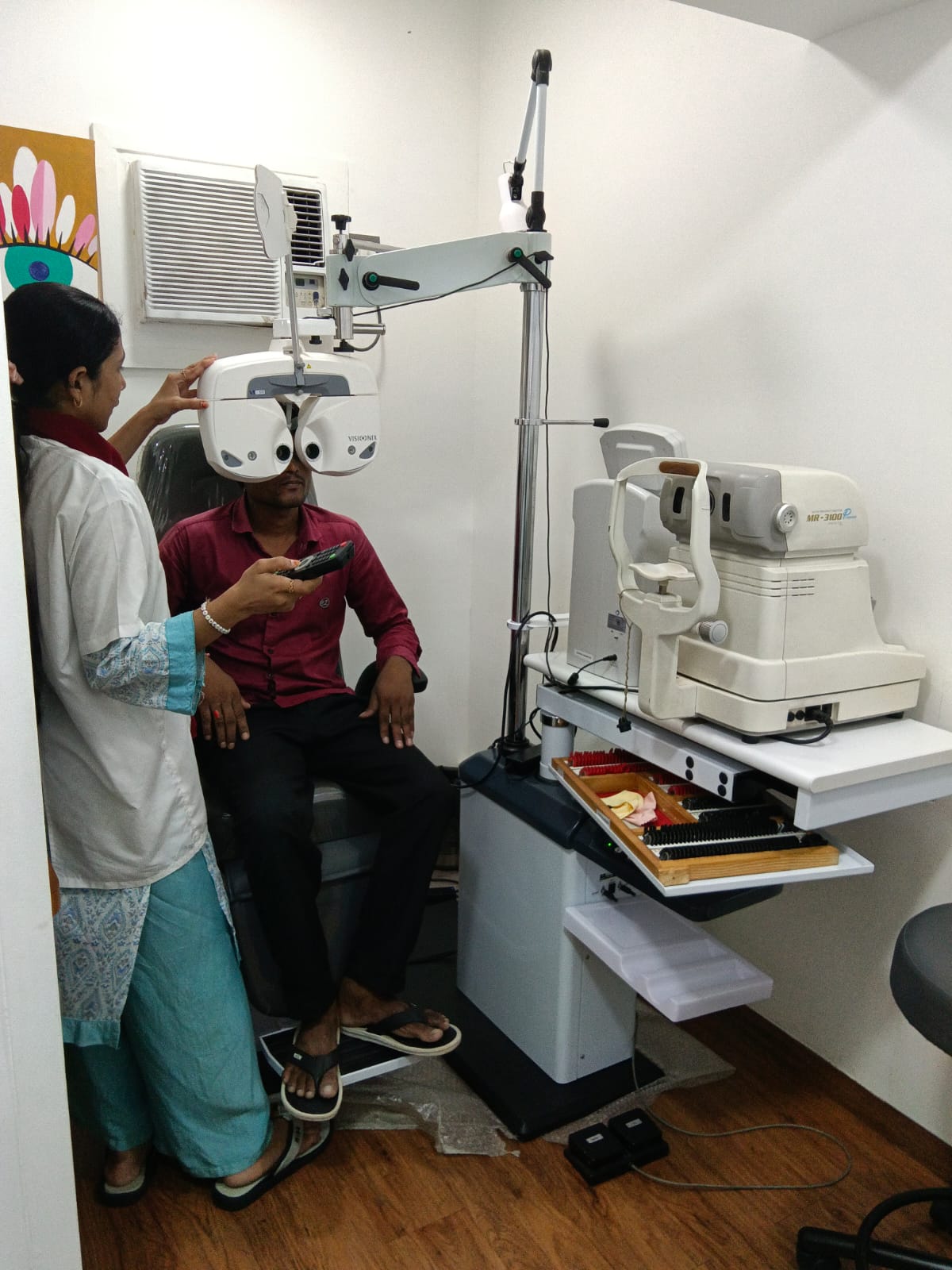
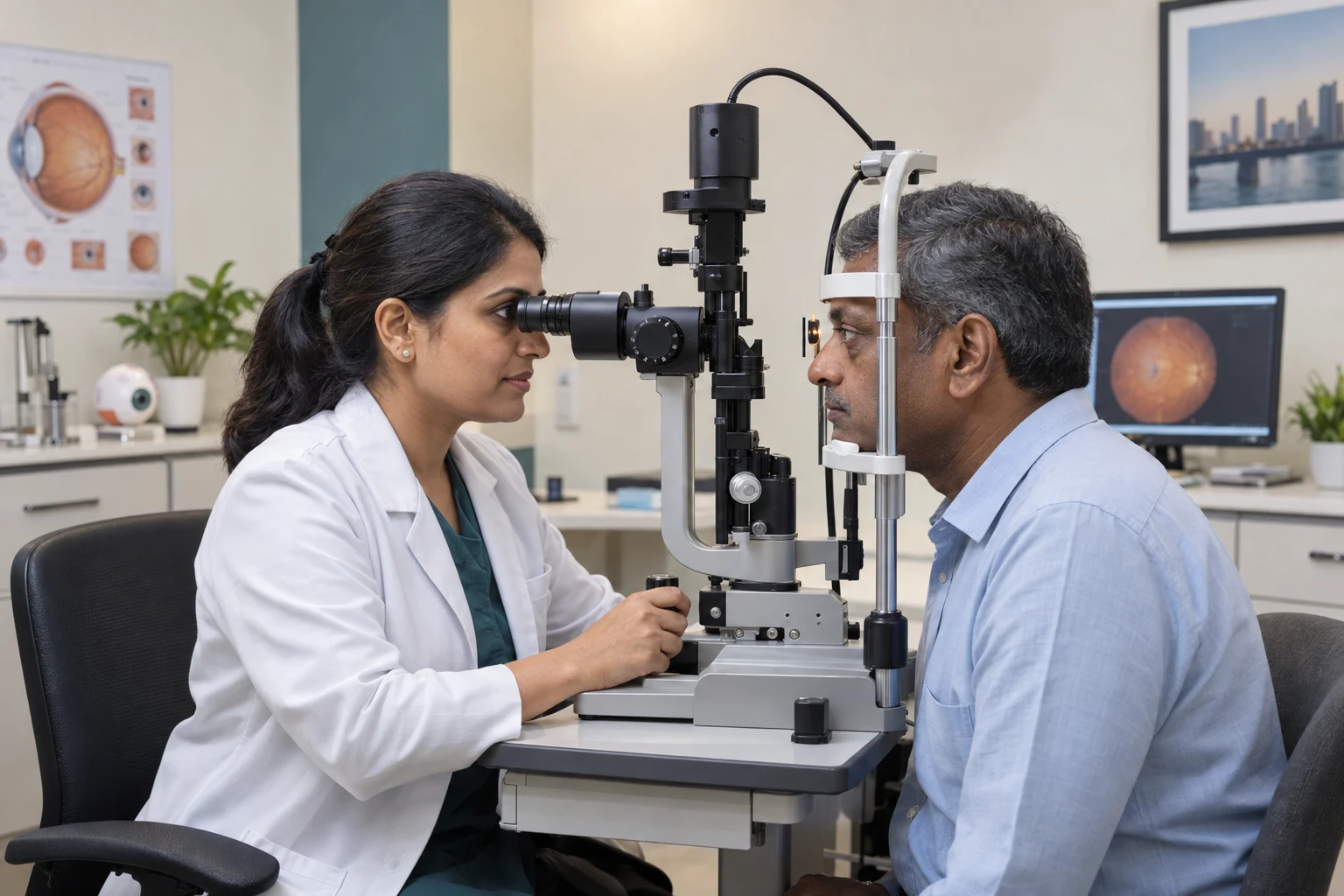
A comprehensive eye check-up looks beyond spectacle power. It brings together vision testing, eye-pressure assessment and examination of the front and back of the eye, with additional tests selected according to age, symptoms and medical history.
When a complete eye assessment is useful
Symptoms and examination needs differ from person to person. These common situations can help you describe the concern when requesting a visit.
Routine vision review
For changing vision, spectacle updates or an overdue eye-health examination.
Eye strain or headaches
For persistent visual fatigue, focusing difficulty or screen-related discomfort.
Medical risk factors
Diabetes, hypertension, medicines and family history can influence the tests advised.
Ongoing monitoring
Existing findings may need comparison over time rather than a one-time result.
How the consultation works
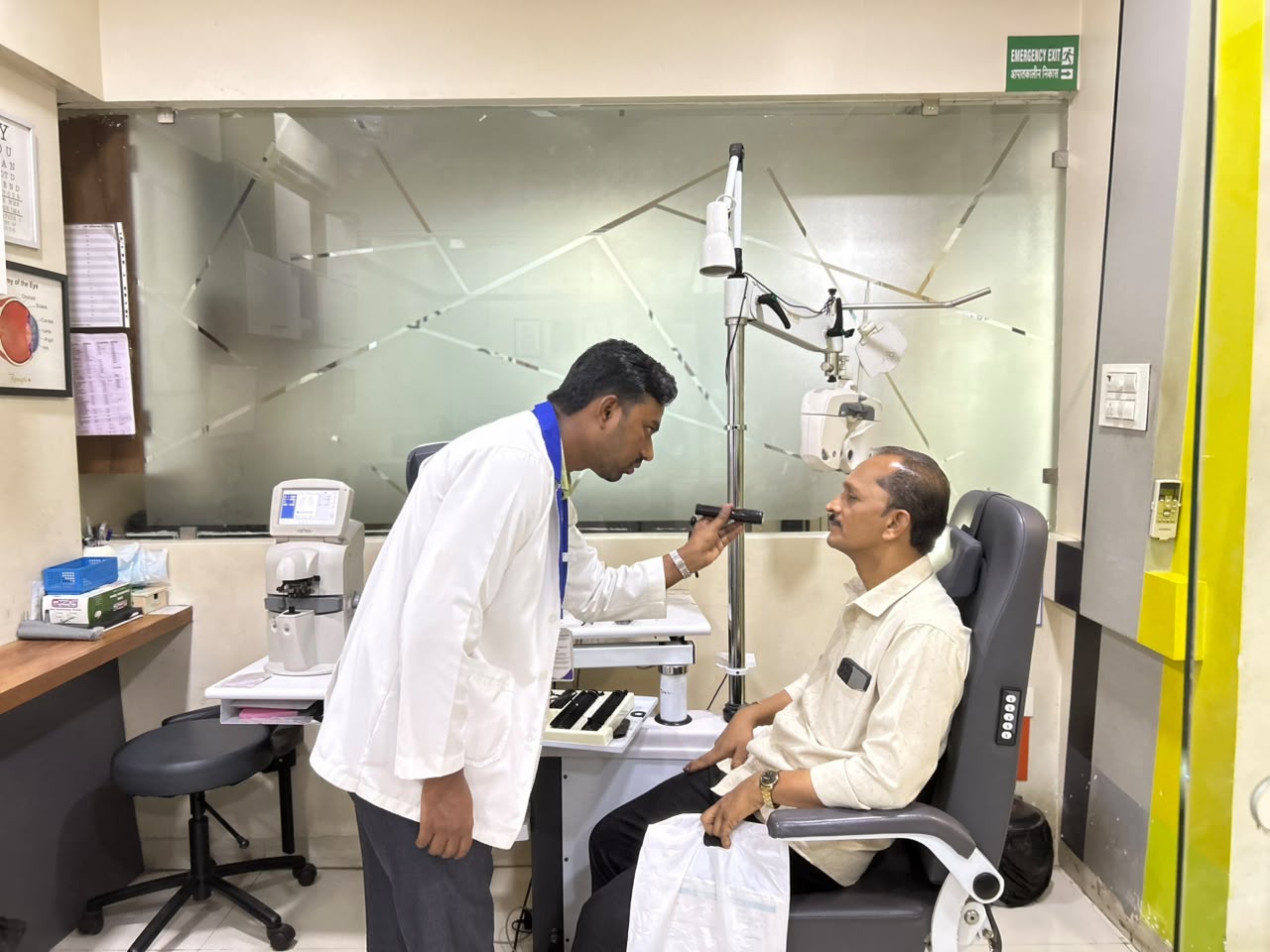
The examination is adapted to the patient rather than delivered as one fixed package. The ophthalmologist decides which tests add useful clinical information.
- 01
Discuss symptoms, history and current visual needs.
- 02
Check vision and spectacle power where relevant.
- 03
Examine eye pressure and ocular structures as indicated.
- 04
Explain findings, follow-up timing and referral needs.
Your Comprehensive Eye Check-up questions
These answers provide general guidance. Your ophthalmologist will explain what applies after examining your eyes.
The interval depends on age, symptoms, spectacle use, medical conditions, family history and previous findings.
Dilation is used when a wider internal eye examination is clinically helpful.
Yes. Select your preferred centre and describe the concern; the care team can guide the request.
Sudden vision loss, severe eye pain, chemical exposure or significant eye injury needs urgent in-person medical attention.
.jpeg)
.jpeg)