

Refractive surgery suitability assessment
Refractive care assesses whether laser vision correction or an implantable-lens option is suitable for an individual eye. The safest choice depends on prescription stability, corneal shape and thickness, ocular health, age and visual expectations.
What suitability assessment considers
Suitability is a clinical conclusion, not an online promise. Measurements and expectations are reviewed together.
Stable prescription
Recent spectacle or contact-lens changes help determine stability.
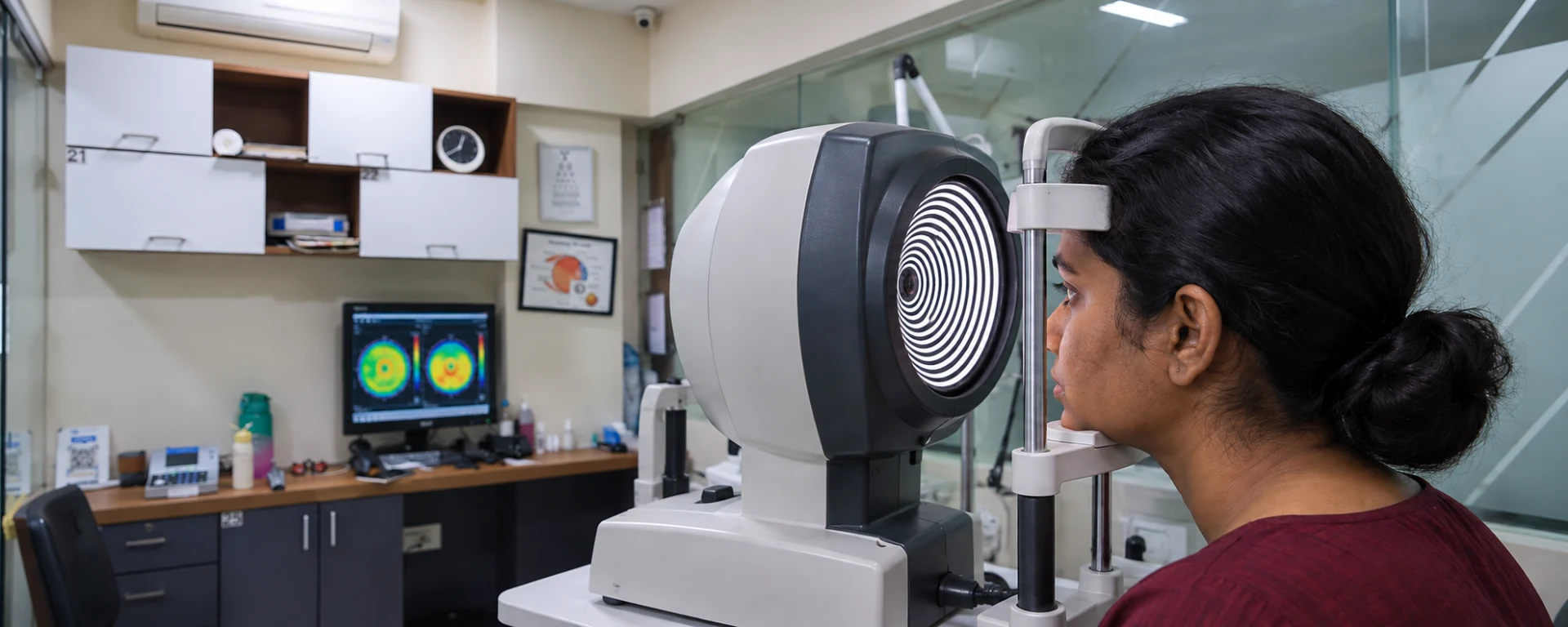
Corneal measurements
Shape, thickness and regularity influence the options considered.
Ocular-surface health
Dryness, allergy or lid disease may need treatment first.
Visual priorities
Work, sport, night driving and near-vision expectations matter.
How the consultation works
Measurements are reviewed together and alternatives are discussed when a requested procedure is not advisable.
- 01
Review prescription history, lens use and visual goals.
- 02
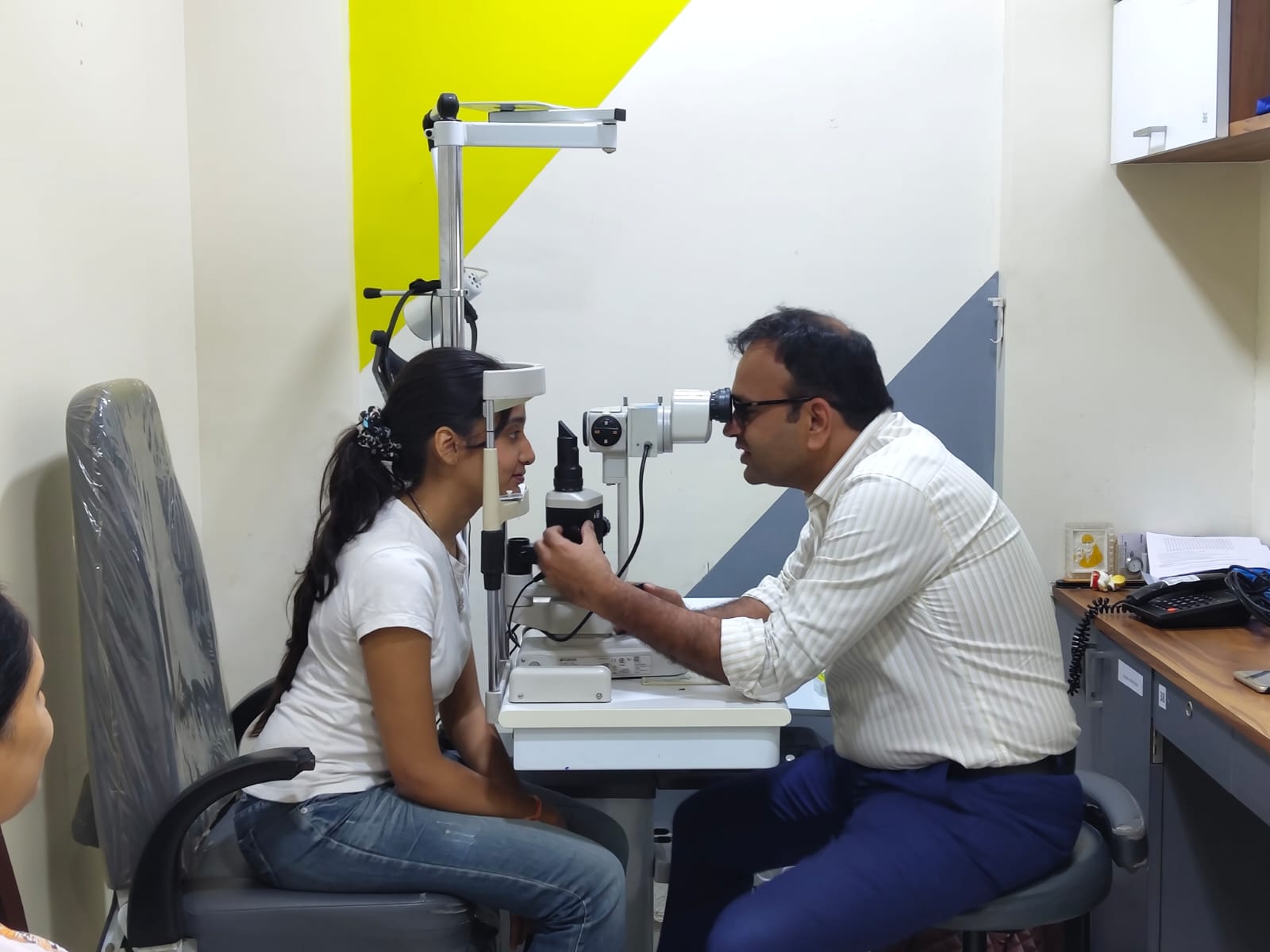
Examine the eyes and assess tear-film health.
- 03
Map and measure the cornea and ocular structures.
- 04
Compare options, limitations, recovery and follow-up.
Your Refractive Care questions
Your surgeon will explain what applies after completing measurements and examination.
No. Suitability depends on measurements, ocular health, age and expectations.
Contact lenses can affect measurements, so the clinic will advise a suitable interval.
No procedure can guarantee permanent freedom from glasses.
Sudden vision loss, severe eye pain, chemical exposure or significant eye injury needs urgent in-person medical attention.
.jpeg)
.jpeg)