Child eye and squint assessment
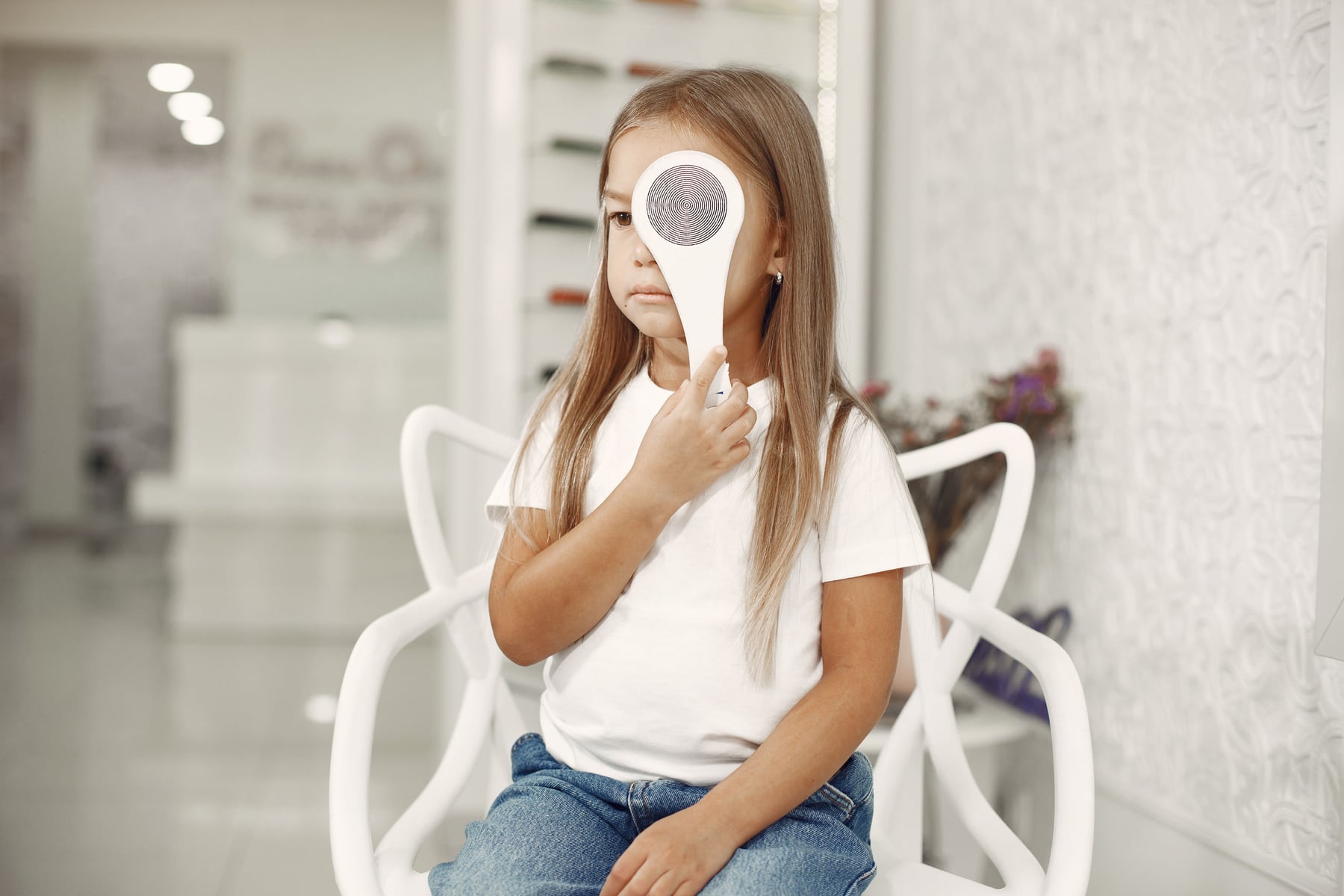
Paediatric eye care evaluates vision while the visual system is developing. Age-appropriate tests, observation and family input help assess refractive error, squint, lazy eye, eye movement and other childhood concerns.
Signs that a child may need an eye assessment
Children may not describe a vision problem clearly. Everyday behaviour can provide useful clues.
Squint or unusual alignment
An eye turning in, out, up or down should be assessed.
School or reading difficulty
Sitting close, losing place or avoiding near tasks can justify review.
Unequal vision risk
A child may rely on one eye without clearly describing a problem.
Head tilt or rubbing
Repeated visual behaviours can provide useful assessment clues.
How the consultation works
Children do not need to read an adult letter chart. Tests are selected for age, communication and the question being investigated.
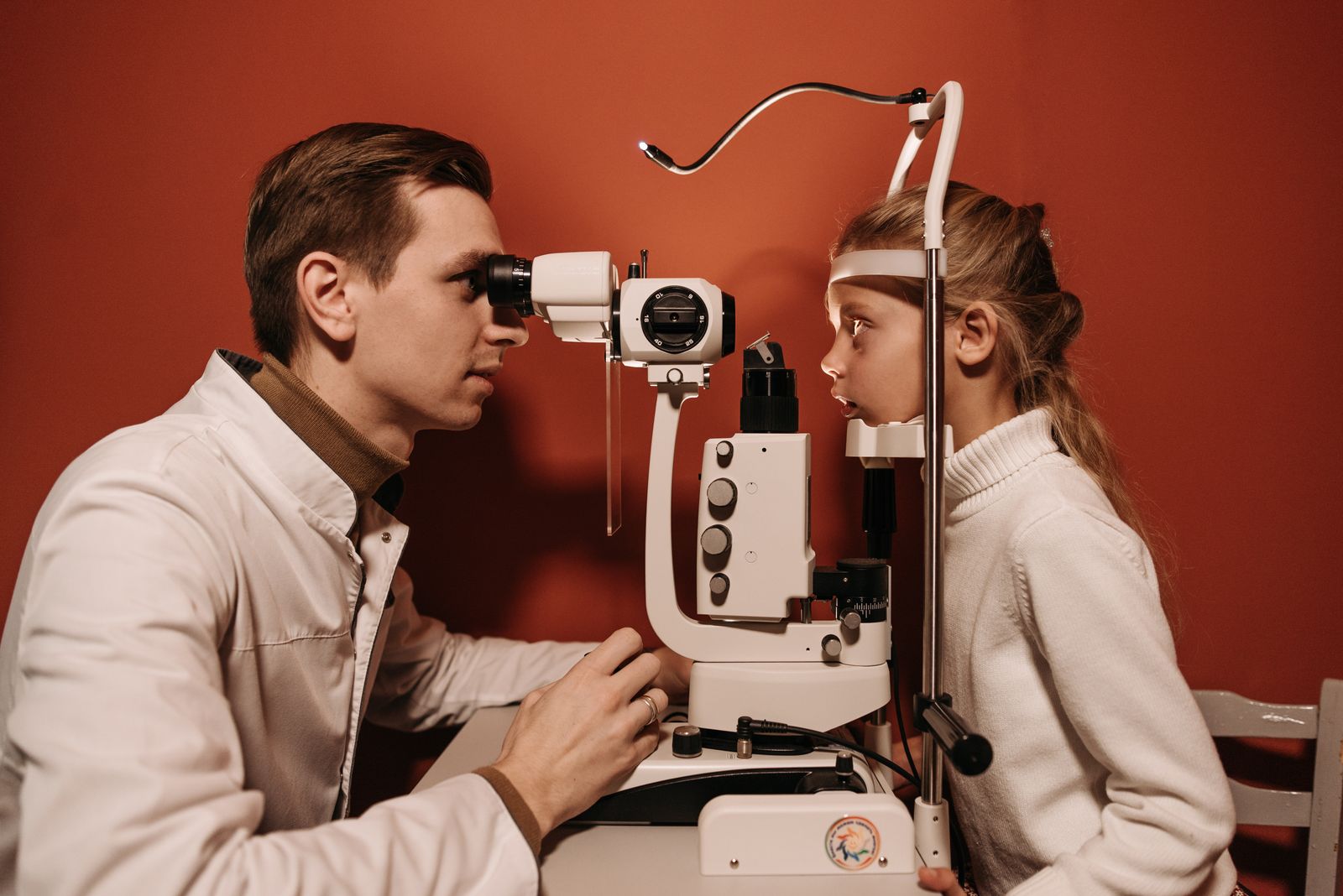
- 01
Ask about birth, development and visual behaviour.
- 02
Check age-appropriate vision, alignment and eye movements.
- 03
Use dilating drops for accurate refraction when advised.
- 04
Discuss glasses, patching, observation or surgery where relevant.
Your Paediatric Eye Care questions
Your ophthalmologist will explain what applies after examining your child.
Examinations can be adapted even for babies. Timing depends on symptoms and risk factors.
Drops can help measure refractive error accurately and examine the inside of the eye.
Some deviations may be observed while others need glasses, patching or surgery.
Sudden vision loss, severe eye pain, chemical exposure or significant eye injury needs urgent in-person medical attention.
.jpeg)